January 5, 2026
Trees add lasting beauty, shade, and environmental value to residential and commercial properties. They also play an important role in safety, air quality, and overall curb appeal. Without proper care, trees can become unhealthy or hazardous over time. Hiring local arborists provides the expertise needed to protect trees, preserve property value, and support long-term environmental health.
Ensuring Tree Health and Longevity
Local arborists are trained to evaluate tree health and detect early warning signs of disease, decay, pest activity, and structural weakness. Many of these issues are not immediately obvious to untrained individuals. Early diagnosis allows for targeted treatment, helping prevent minor problems from turning into serious and costly hazards.
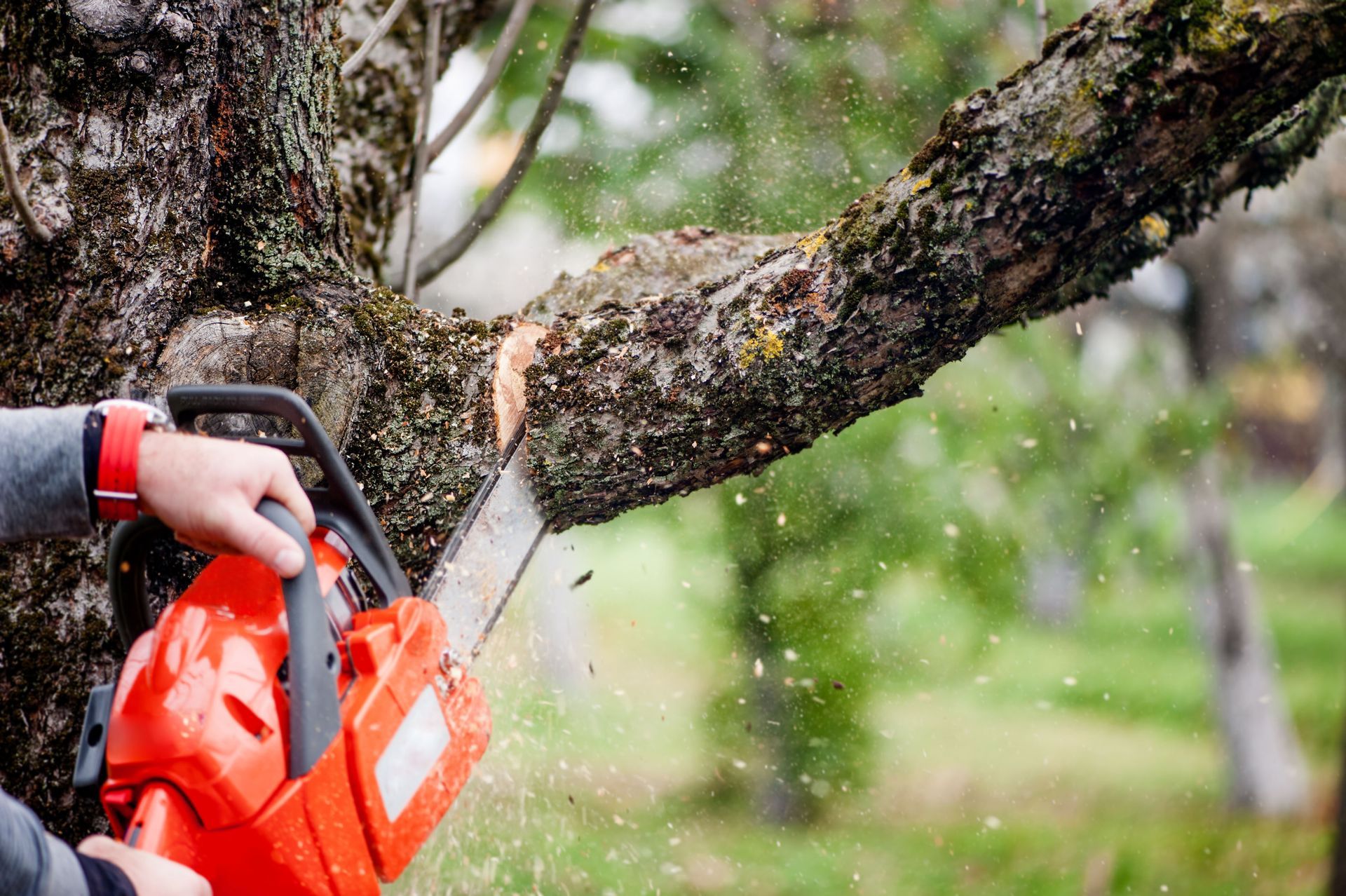
Proper pruning improves tree structure, appearance, and overall health. Local arborists understand species-specific growth patterns and know where and how much to cut. Incorrect pruning can weaken branches and invite disease, while expert pruning promotes strong, balanced growth that supports long-term tree stability.
Trees are vulnerable to diseases and pests that can spread quickly if left untreated. Local arborists diagnose these conditions early and apply appropriate treatment plans. These plans may include integrated pest management techniques or targeted applications designed to minimize environmental impact while restoring tree health.
Safety Considerations
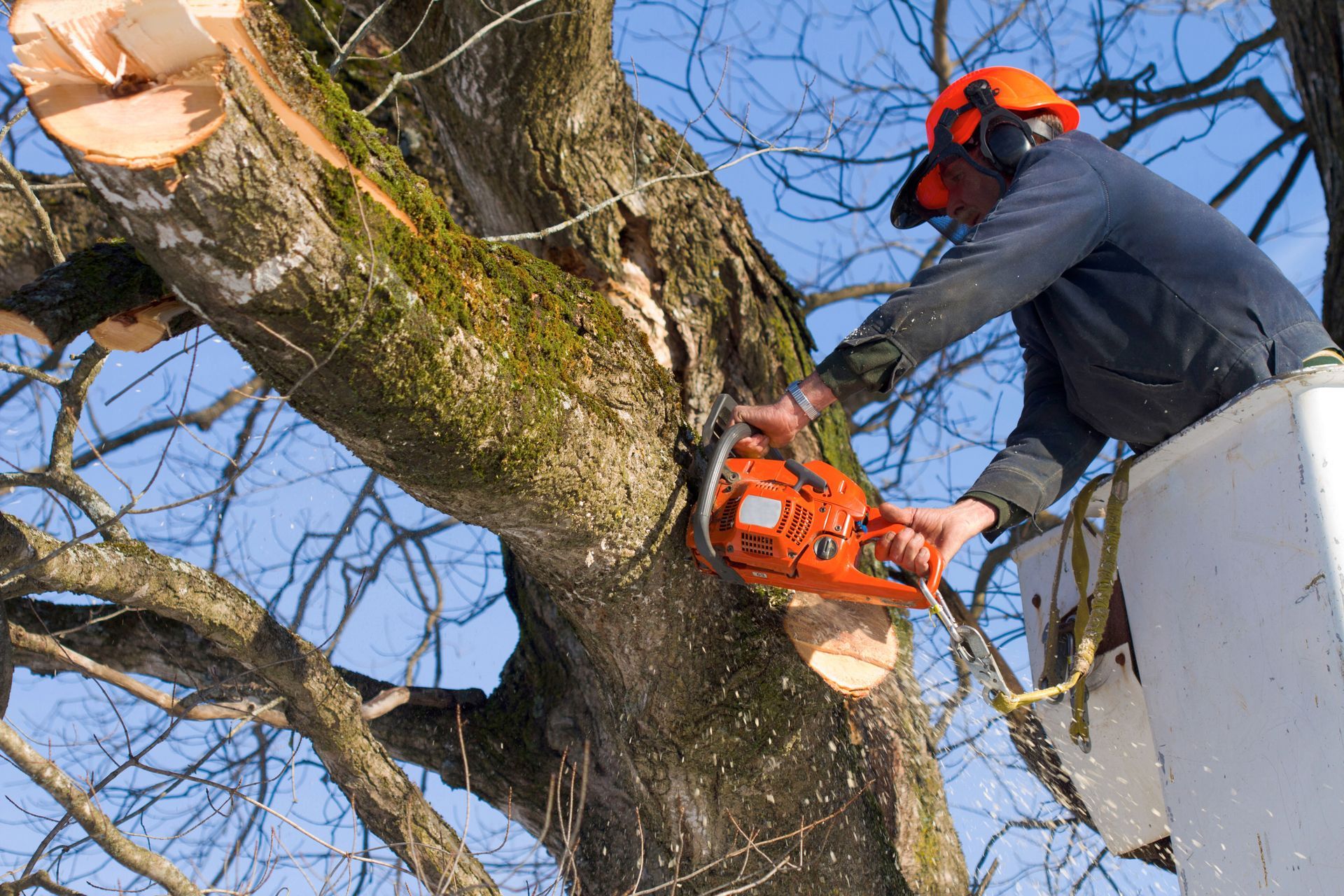
Tree work involves significant risk without proper training and equipment. Local arborists use specialized tools and follow strict safety protocols during every job. This approach helps prevent injuries and reduces the likelihood of damage to surrounding property.
Risk assessments allow arborists to identify structural defects, root instability, and environmental stressors that could lead to tree failure. When working with local arborists, property owners gain insight into potential hazards before they become emergencies. Addressing risks early reduces liability and improves overall site safety.
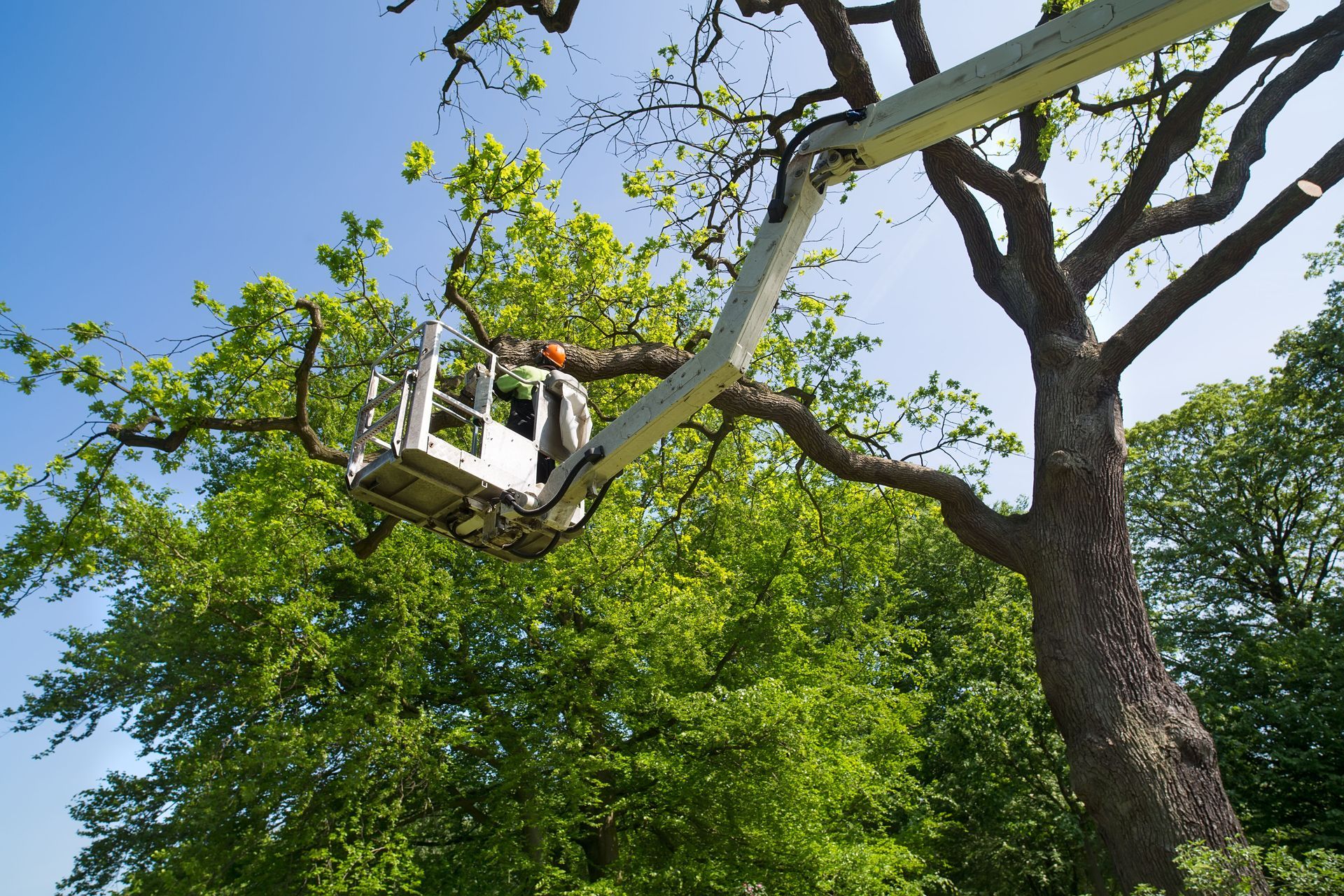
Tree removal requires careful planning, especially when trees are near homes, buildings, or utility lines. Local arborists evaluate site conditions and establish controlled removal methods. This planning minimizes disruption and helps avoid costly accidents or property damage.
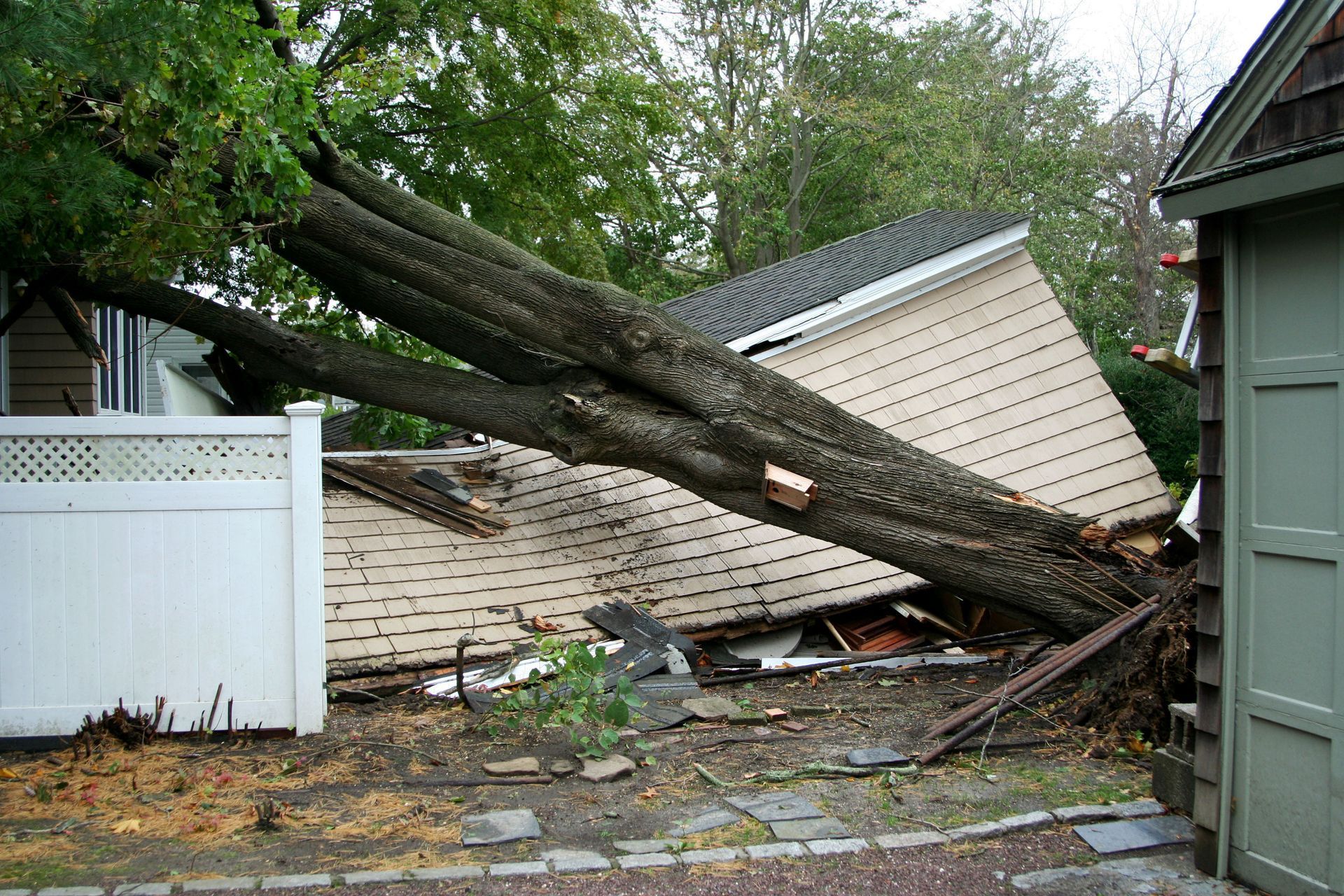
After severe weather, damaged trees can pose immediate safety threats. Local arborists respond quickly to remove debris, stabilize weakened trees, and assess whether additional corrective work is needed. Their timely response helps restore safety and prevent further damage.
Preventive measures such as cabling, bracing, and selective trimming reduce hazards caused by overgrown or compromised trees. Local arborists apply these techniques to manage risk while preserving the natural appearance of the landscape. Professional intervention allows trees to remain assets instead of liabilities.
Expert Knowledge and Experience
Certified arborists complete extensive training in tree biology, soil science, and industry safety standards. Many local arborists continue their education throughout their careers to stay current with evolving techniques and best practices. This commitment to learning directly benefits property owners.
Local environmental knowledge allows arborists to recommend care plans based on regional climate conditions and native species. Local arborists also understand common pests and diseases specific to the area. This insight leads to more effective, location-specific tree care.
Professional training and hands-on experience play a major role in the quality of tree care services. According to Zippia, there are over 8,257 arborists currently employed in the United States. This workforce reflects the level of specialization required to properly assess tree health, manage risk, and apply safe maintenance techniques. Local arborists draw from this broad professional knowledge base to deliver informed, reliable care tailored to individual properties.
Arborists use advanced problem-solving skills to address issues such as disease diagnosis, structural instability, and challenging site constraints. By working with local arborists, property owners benefit from hands-on experience gained in similar environments. This thoughtful approach leads to better outcomes for both trees and surrounding landscapes.
Different tree species require different maintenance approaches. Local arborists tailor pruning schedules, nutrition plans, and preventive treatments to meet those specific needs. This customized care supports a balanced, healthy, and diverse landscape.
Cost-Effective Tree Care
Routine professional care reduces the likelihood of emergency removals, property damage, and unexpected expenses. Local arborists help identify issues early, which is far more cost-effective than reacting to failures. Preventive maintenance helps property owners avoid costly repairs and legal concerns.
Healthy trees enhance curb appeal, energy efficiency, and overall property value. Working with local arborists helps protect these long-term benefits. Well-maintained trees also create positive first impressions for visitors, tenants, and buyers.
Access to professional equipment eliminates the need for property owners to rent or purchase specialized tools. Local arborists work efficiently and safely using equipment designed specifically for tree care. This efficiency saves time while reducing risk.
Proper maintenance lowers the risk of accidents involving falling limbs or unstable trees. Reducing these risks helps property owners avoid potential financial and legal exposure. Local arborists provide peace of mind throughout the process.
Environmental Benefits
Local arborists support biodiversity by preserving native trees and maintaining habitats for birds, insects, and wildlife. Healthy trees contribute to stronger ecosystems and more resilient landscapes. Responsible care helps balance development with environmental preservation.
Sustainable practices such as conservation pruning and integrated pest management protect surrounding ecosystems. Local arborists apply these methods to reduce chemical use and promote long-term environmental health. Their guidance helps property owners make environmentally responsible decisions.
Healthy trees contribute to improved air quality, carbon absorption, and urban temperature regulation. Local arborists play an important role in maintaining these benefits through proper care. Their work supports both local and broader environmental stability.
Enhancing Aesthetic and Property Value
Well-maintained trees enhance visual appeal and complement overall landscape design. Local arborists balance aesthetics with long-term tree health to create attractive outdoor spaces. This balance keeps landscapes functional as well as visually appealing.
Mature trees add character and historical value to properties. Local arborists use specialized techniques to preserve these assets while reducing risk. Their care helps extend the life of valuable trees without compromising safety.
Personalized care allows homeowners to align tree maintenance with their landscape goals and preferences. Local arborists work closely with property owners to deliver practical, customized solutions. This collaboration results in landscapes that feel intentional and well cared for.
Planning for Future Tree Growth
Tree care decisions made today have a lasting impact on how trees grow and interact with their surroundings. As trees mature, their canopies expand and root systems spread, which can affect nearby structures, walkways, and utilities. Local arborists evaluate these long-term factors when recommending pruning, planting, or removal strategies. This planning helps prevent overcrowding, structural interference, and safety concerns as trees continue to develop.
Seasonal Maintenance and Ongoing Care
Each season presents different challenges for tree health, from dormant stress during colder months to pest pressure and drought conditions in warmer weather. Local arborists understand how seasonal changes affect growth cycles and recovery. Their guidance helps property owners time pruning, fertilization, and inspections appropriately. Consistent seasonal care supports stronger trees and reduces the likelihood of sudden health declines.
Protecting Trees During Construction and Landscaping
Construction and landscaping projects can unintentionally damage trees through soil disturbance, root compaction, or heavy equipment traffic. Local arborists assess trees before, during, and after these projects to identify potential risks. Their involvement helps protect valuable trees while allowing work to proceed efficiently. This proactive approach preserves tree stability and prevents long-term damage.
Clear Communication and Professional Guidance
Effective tree care relies on clear communication between professionals and property owners. Local arborists explain their findings and recommendations in practical terms, helping clients understand both immediate needs and long-term considerations. This transparency builds trust and supports informed decision-making. Open communication leads to better outcomes for trees and property owners alike.
Hiring local arborists supports tree health, improves safety, and protects property value over the long term. Expert care also benefits the environment and the surrounding community. With professional guidance, trees remain assets that enhance both beauty and function. Looking for local arborists? Contact Saddletree LLC today to learn more.