June 25, 2026
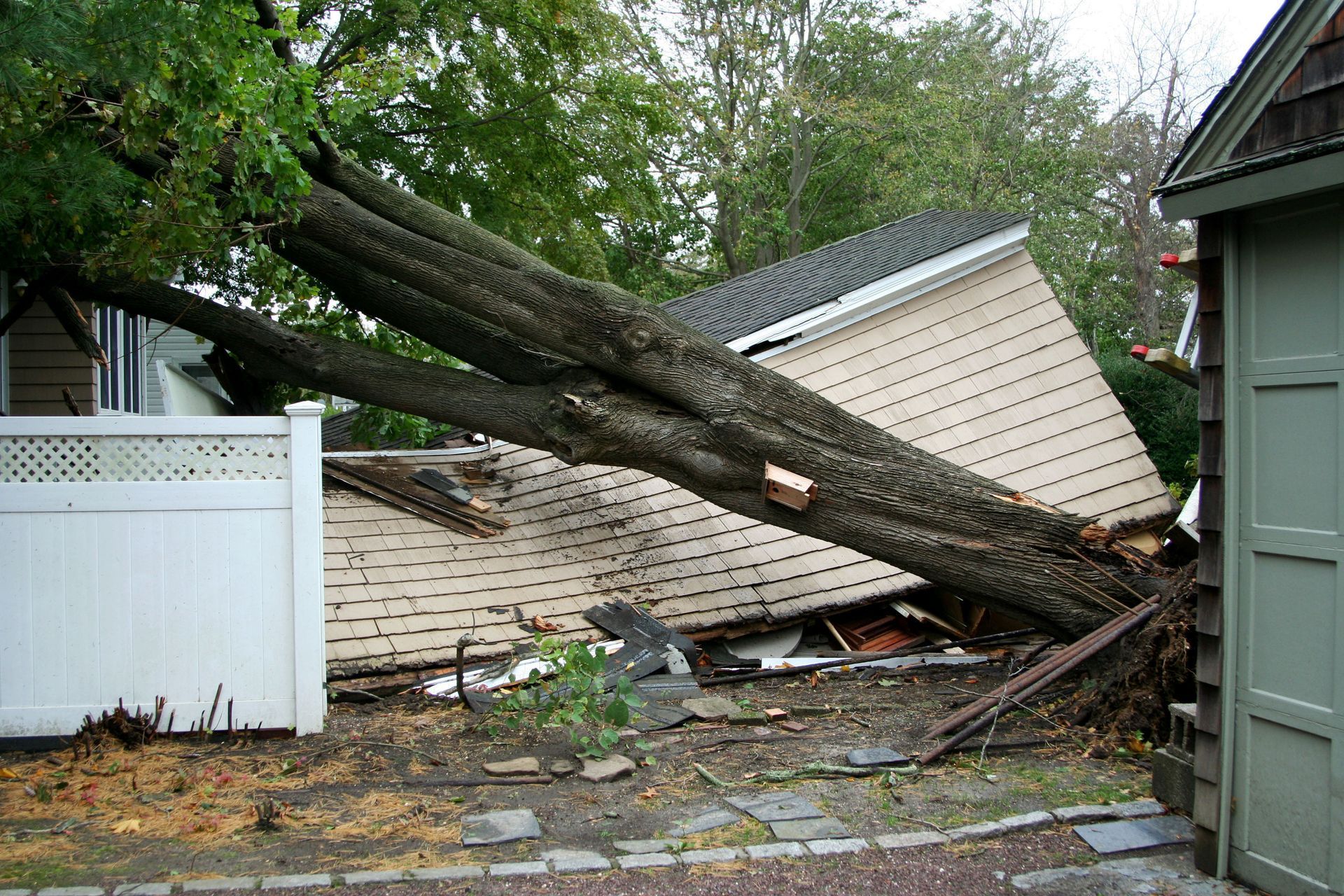
Severe storms can leave a trail of destruction, and among the most pressing concerns for homeowners is the presence of damaged or fallen trees. These trees pose not only a risk to property but also to safety. Understanding the steps for emergency local tree removal is crucial for minimizing damage and restoring safety. Let's outline a few essential actions you should take following a storm.
Identifying Immediate Hazards
After a storm, homeowners should first ensure their own safety before venturing out to assess tree damage. Look out for trees that may be leaning precariously, as these are potential hazards that could fall at any time. Fallen branches or trees that are entangled in power lines require immediate attention due to the risk of electrocution. Any visible fractures in tree trunks or large branches should be noted, as they can indicate weakening structural integrity. Documenting these hazards with photos and notes can be vital for insurance claims and coordinating repairs.
It's critical to remember that just because a tree remains standing, it does not mean it hasn't sustained damage. In some cases, trees can be internally compromised even if they appear sound from the outside. Ascertaining the full extent of damage, including the less obvious, is essential for gauging the immediate danger. Homeowners should avoid approaching damaged trees and instead conduct a visual inspection from a safe distance. This approach allows for recognizing hazardous conditions while minimizing personal risk.
Evaluating Structural Stability
Assessing a tree's structural stability requires a close look at its roots, trunk, and canopy. Examine the base of the tree for signs of uprooting or loosened soil, indicating possible instability. Trees that have sustained root damage are more likely to pose a future threat, particularly during subsequent weather events. Look for cracked soil or tilting, which may suggest that the anchorage is compromised. The importance of addressing these issues quickly cannot be overstated, as delays could lead to further property damage or injuries.
Inspect the trunk for splits, cracks, or any bark damage that might compromise the tree's strength. Scanning up to the canopy is also necessary, as broken or hanging branches can fall without warning. Homeowners should be cautious of branches that break off without prior warning. Thorough evaluation of both visible and subtle indicators of tree health can effectively prevent future incidents. Overall, the precise assessment ensures informed decisions regarding the necessity of removal.
Professional assessments provide peace of mind when determining a tree's stability after a storm. Certified local tree removal professionals have the expertise to gauge structural damage and suggest appropriate interventions. According to Coherent Market Insights, the tree landscaping segment is expected to account for a 42.2% share of the residential tree services market in 2025. This statistic underscores the growing reliance on professional services for maintaining tree health and safety.
Observing Environmental Factors
Various environmental factors can exacerbate tree damage, and understanding these can aid in swift and effective remedy. Soil saturation is one major element to consider, especially after tremendous rainfall during storms. When the soil is overly saturated, trees become more susceptible to toppling over as the anchorage weakens. Additionally, prevailing wind direction during the storm could significantly influence the direction in which a tree is leaning. Observing these conditions can provide insights into potential risks and inform emergency strategies.
Another aspect to consider is the proximity of trees to structures such as homes, garages, or fences. Trees that are already close to a building may cause more damage or be more easily damaged themselves during adverse weather. The proximity could also complicate removal processes, increasing both the urgency and the cost of addressing the issue. For this reason, homeowners should strategically assess both natural and man-made factors when evaluating potential damage. An informed consideration of these elements can streamline the urgent steps required after a storm hits.
Consulting Expert Opinions
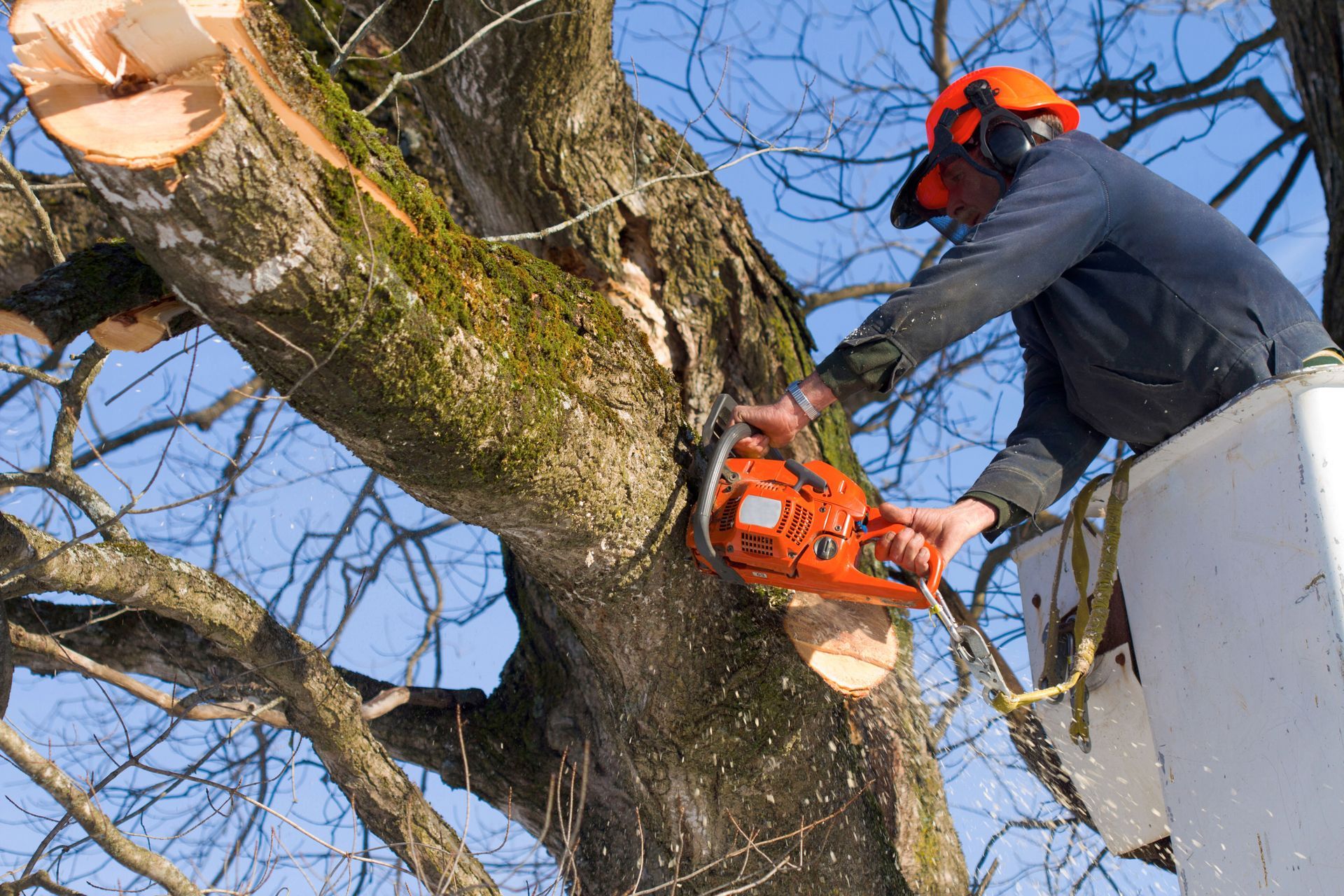
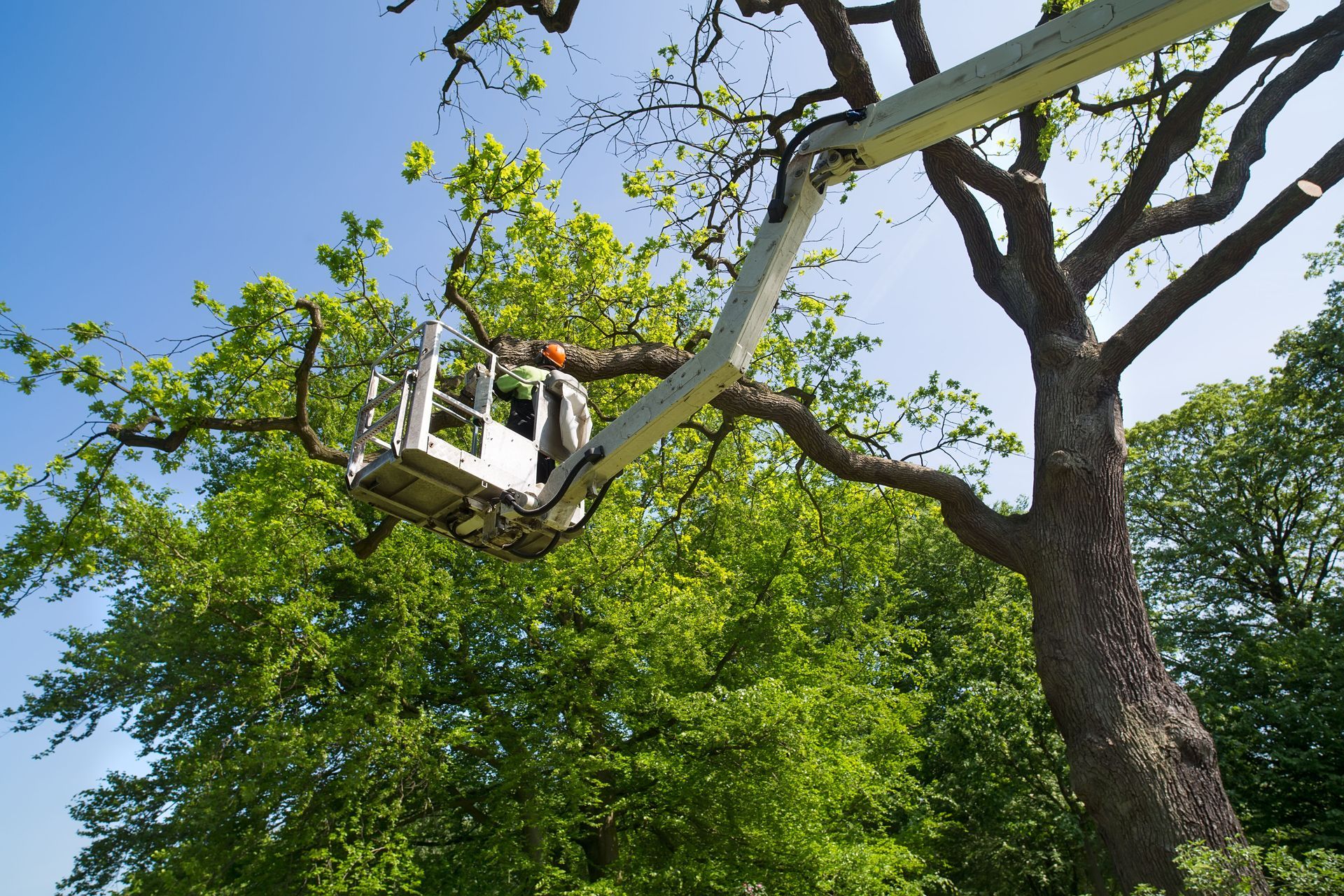
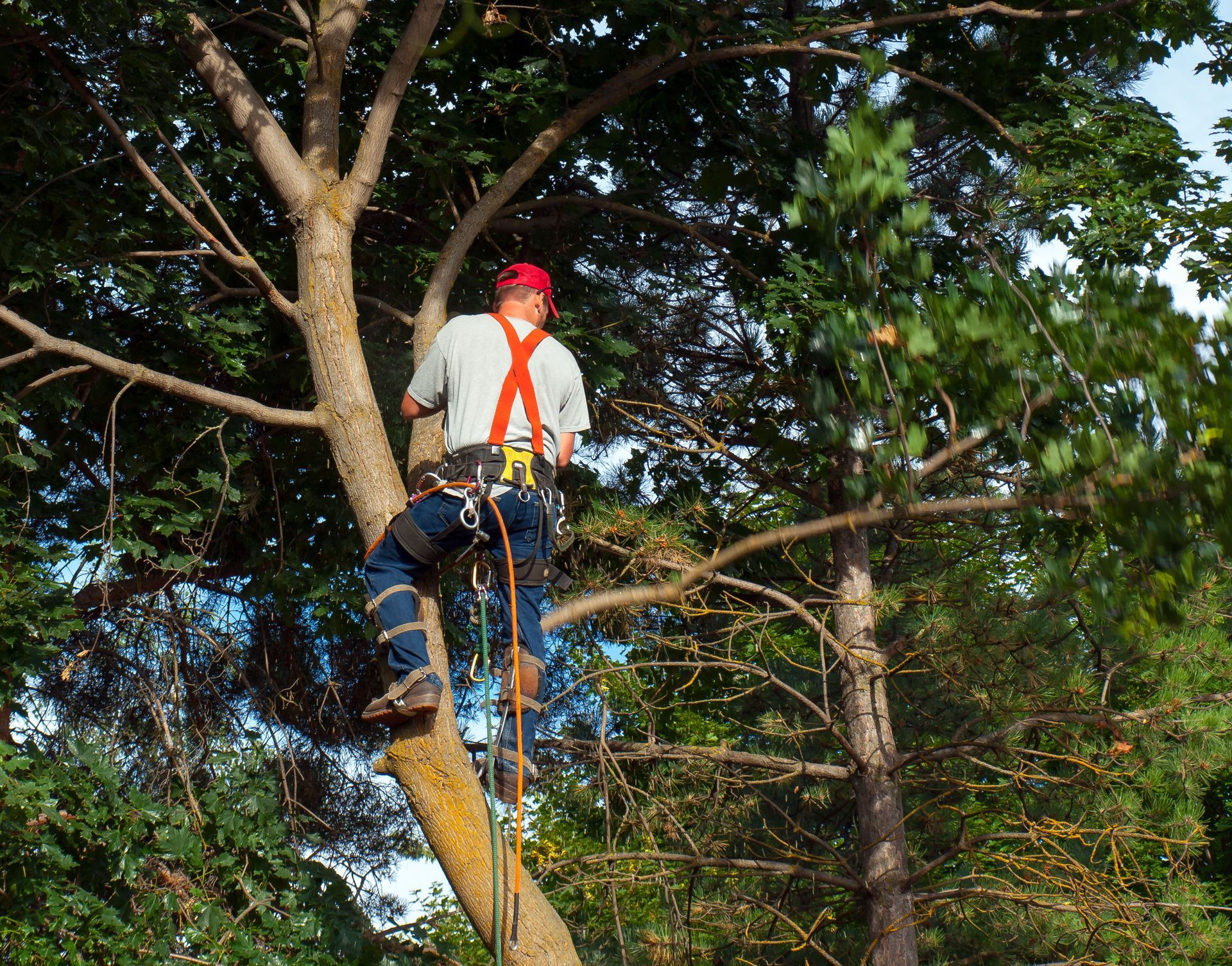
When homeowners are uncertain about the extent of tree damage or subsequent risks, consulting with a certified arborist is valuable. Their expertise in tree biology and structural integrity equips them to assess situations accurately and recommend the best course of action. Professionals can often detect subtle damage that a layperson may not notice, preventing potentially dangerous oversights. Consulting a local tree removal expert is especially advisable for large trees, or those causing complications due to proximity to structures or power lines. A professional assessment ensures each step taken post-storm aligns with proper safety and management practices.
Documenting Damage for Insurance
Documenting storm-related damage promptly and comprehensively is crucial for insurance purposes. Begin by photographing all visible damage, capturing different angles to provide a detailed representation of the impact. Including date and time stamps on photos can further validate claims by showing the immediacy of the aftermath. Complement these images with detailed notes on what each picture depicts, highlighting specific concerns such as tree stability risks or structural damage. Thorough documentation serves as undeniable proof of the disaster's impact when liaising with insurance providers.
Contacting Local Authorities
Once immediate hazards are assessed, promptly contacting local authorities becomes a crucial step. This coordination ensures that obstructions or significant risks are addressed swiftly to protect public safety. Depending on the severity of the situation, such notifications might lead to the mobilization of public works teams or emergency responders. Prompt reporting helps government agencies prioritize and allocate resources effectively. Cooperation with local authorities ensures that hazards are managed in a manner consistent with municipal safety protocols.
Articulating the extent of the damage clearly and providing specific details about the location of hazardous trees or debris is vital. Specificity helps ensure that emergency responses are efficient and tailor-fitted to the situation at hand. Detailed communication also minimizes potential processing delays that could arise from ambiguity. Homeowners should prepare to provide all relevant documentation or evidence of the damage if requested by authorities. This collaborative approach fosters seamless interactions with governmental bodies and bolsters community safety during storm recovery efforts.
Reporting Downed Power Lines
Downed power lines represent one of the most dangerous hazards after a storm, necessitating immediate action. Report all such lines to the appropriate utility company to facilitate a prompt, skilled response. Power lines that remain unattended can lead to electrical fires, electrocution risks, or impede broader recovery efforts. Always maintain a safe distance from damaged lines and never attempt to move or repair them yourself. Immediate collaboration with utility providers is indispensable to restoring electrical services and ensuring public safety.
Facilitating Access for Emergency Workers
Ensuring easy access for emergency and utility personnel is vital in promoting a quick response to storm damage. Clear driveways and access paths promptly to enable smooth operations by emergency responders. Remove any temporary obstructions, such as vehicles, debris, or other materials that might complicate access. Proactively facilitating this access enhances safety and streamlines the work of essential services. Over time, this cooperative initiative minimizes disruption and accelerates effective recovery strategies.
Coordinating With Neighbors
Storm impacts often extend to shared neighborhood elements, requiring joint actions to address collective concerns. Collaborating with neighbors speeds up community recovery efforts and bolsters collective problem-solving strategies. Open lines of communication regarding tree damage or hazards can identify shared concerns sooner. Working together also enables resource sharing and maximizes use of any available professional services, benefiting everyone. This coordination strengthens community ties and ensures that recovery efforts enjoy prioritization, effectively safeguarding neighborhood spaces.
Severe storms can create dangerous situations that require immediate attention from a local tree removal service, especially when damaged trees threaten homes, vehicles, utility lines, and personal safety. By carefully assessing hazards, documenting damage, communicating with local authorities, and seeking professional guidance when necessary, you can take effective steps toward a safe and efficient recovery. With proper planning and the support of the qualified tree care professionals at Saddletree LLC, emergency tree removal can be managed effectively, allowing you to restore your property and regain peace of mind after a storm. Reach out to us today to get started with a free estimate!