April 23, 2026
Regular pruning services are essential for maintaining the health and aesthetics of plants in any landscape. Far more than just trimming off excess growth, pruning is a crucial practice that contributes to the longevity and vitality of trees and shrubs. By removing dead or diseased branches and encouraging healthier growth patterns, an arborist helps sustain robust plant life. In this blog, we explore the multifaceted benefits of regular pruning services in detail. From health improvements to safety enhancements, economic benefits, and environmental contributions, the advantages of pruning extend far beyond mere appearances.
Improved Plant Health
Enhanced Nutrient Distribution
Pruning plays a significant role in optimizing nutrient distribution within plants, ensuring that essential resources reach all parts of the tree effectively. By removing old and dead branches, an arborist promotes vigorous and healthy growth. This practice ensures better access to vital nutrients such as water, minerals, and sugars, fostering a balanced development. Proper nutrient distribution also aids in strengthening the tree's immune system, making it more resilient to diseases and environmental stressors. The strategic removal of excess branches can transform a plant's health, allowing it to flourish and achieve its full potential.
Increased Sunlight Exposure
Pruning enhances a plant's exposure to sunlight, a fundamental element of photosynthesis, which is essential for growth and energy production. By thinning the canopy, more sunlight penetrates the inner parts of the plant, reaching the lower branches and leaves. This increased light exposure results in improved photosynthetic activity, leading to healthier, more vibrant foliage. As a result, plants become more robust, producing more leaves and flowers, which contribute to their overall aesthetic appeal. The interplay of light and energy strengthens the plant's structure, boosting its vitality and capacity to thrive.
Disease Prevention
Regular pruning is a proactive measure in disease prevention, as it helps eliminate diseased or damaged branches before infections spread. By meticulously removing infected parts, arborists prevent pathogens from advancing to the entire plant. This containment strategy is vital in maintaining the overall health of the tree, reducing the risk of severe infection. Additionally, proper pruning encourages better air circulation, which can deter fungal infections by creating a less conducive environment for their development. Through these measures, pruning becomes a key practice in safeguarding the health and longevity of plants.
Root Strengthening
Pruning contributes to stronger root systems by reallocating the plant's energy resources towards more critical areas. When non-essential branches are removed, the plant can focus its energy on strengthening its roots and trunk. This enriched energy distribution fortifies the tree's foundation, enabling it to anchor more securely in the soil. Stronger roots not only provide better support but also enhance the plant's ability to absorb water and nutrients. Over time, this approach results in trees that are more resilient to winds, storms, and other natural challenges, ensuring their stability and growth potential.
Pest Control
Effective pruning strategies also contribute to pest control, as overgrown and dense foliage can serve as ideal habitats for pests. By trimming back excessive growth, potential breeding sites and hiding spots for pests are eliminated, reducing the likelihood of infestations. Moreover, a well-pruned tree is healthier and better equipped to resist pest attacks naturally. The average arborist age is 41 years old, according to Zippia, indicating seasoned expertise in managing such delicate tasks. As experienced professionals, arborists are adept at identifying pest-prone areas and applying techniques to control and prevent pest-related issues, safeguarding the entire landscape.
Enhanced Aesthetic Appeal
Shaping and Structuring
Regular pruning is integral to shaping and structuring plants, contributing significantly to their visual impact. By trimming branches artfully, arborists are able to define the silhouette and form of trees and shrubs, making them more visually appealing. Such structural enhancements can highlight the natural beauty and unique characteristics of each plant species. In addition to aesthetic benefits, proper shaping can guide growth in a controlled manner, preventing unwanted spread or crowding. This aspect of pruning not only beautifies landscapes but also showcases the elegance and symmetry of well-maintained plants, enhancing the overall ambiance.
Flower and Fruit Production
Pruning has a direct influence on flower and fruit production, an essential factor for gardens and orchards alike. By eliminating overcrowded branches, pruning allows light and air penetration, facilitating healthier blooms and fruit development. This strategic intervention encourages plants to allocate more resources towards reproductive growth, resulting in greater yields. Flowers and fruits produced on pruned plants are often of higher quality, with more vibrant colors and improved flavors. This boost not only brings aesthetic beauty but also enhances biodiversity, supporting pollinators and promoting a harmonious ecosystem.
Removal of Eye-sores
Overgrown branches and neglected shrubs can become unsightly, detracting from the overall beauty of landscapes and gardens. Regular pruning with an arborist addresses this issue by carefully removing errant branches and maintaining desired shapes, thus preserving the tidiness and visual appeal. By mitigating the presence of dead and dying branches, pruning helps maintain an orderly appearance that complements the surrounding environment. Consistent care in removing unattractive elements ensures that landscapes remain picturesque and inviting. Over time, such meticulous maintenance becomes a hallmark of polished, well-designed outdoor spaces that elevate property aesthetics.
Improved Visibility
Pruning plays a crucial role in improving visibility within a landscape, whether it is for safety, aesthetics, or practical purposes. Removing obstructive growth can reveal scenic views, architectural features, and other elements that contribute to the landscape's charm. This visibility enhancement brings cohesiveness to the property, aligning all aspects harmoniously. For property owners, improved visibility also assists in assessing the condition and layout of their outdoor spaces efficiently. Additionally, enhancing line of sight through pruning can elevate security by removing hiding spots and providing clearer views of entryways and paths.
Safety Improvements
Mitigation of Falling Risks
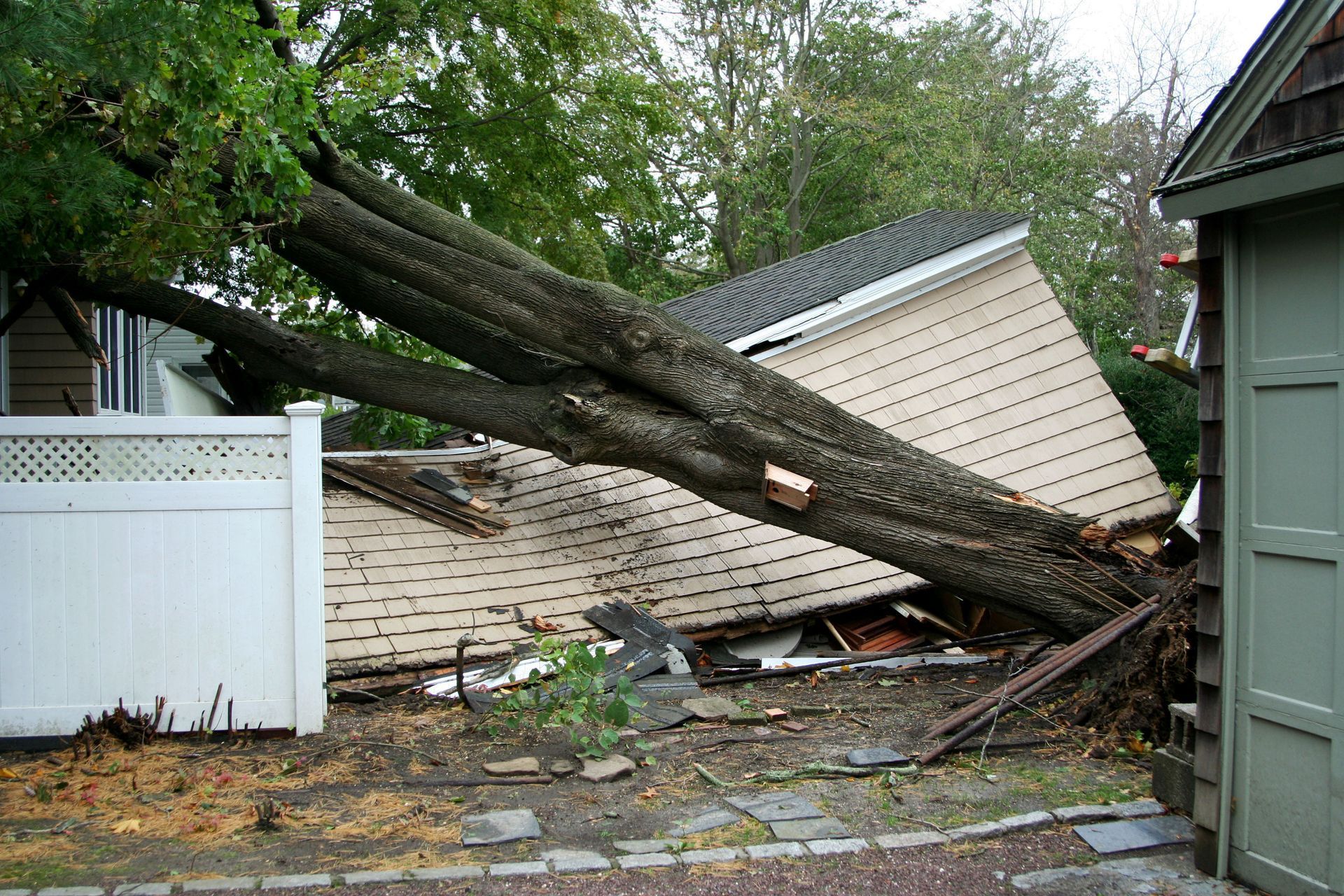
Safety is a paramount concern where pruning can play a pivotal role, especially in mitigating the risk of falling branches. Dead, diseased, or structurally compromised branches are prone to breaking, particularly during storms or high winds. Regular pruning eliminates these hazards, reducing the likelihood of injury or damage to property. Through well-placed cuts, arborists can anticipate potential dangers and address them proactively. By ensuring that trees and shrubs are structurally sound, pruning enhances the safety of outdoor spaces, providing peace of mind to property owners and residents alike.
Fire Hazard Reduction
Strategic pruning contributes significantly to fire hazard reduction by removing deadwood and reducing the fuel load that contributes to wildfires. Clearing out dry, combustible materials from trees and shrubs minimizes the risk of fire spreading across landscapes. This preventative action is crucial in areas prone to wildfires, where maintaining defensible space around properties is a priority. Through disciplined pruning practices, both the risk and severity of fires can be mitigated effectively, safeguarding homes and surrounding natural areas. These efforts not only protect individual properties but also contribute to broader community safety initiatives.
Infrastructure Protection
An arborist protects infrastructure by managing tree growth near power lines, buildings, and other critical structures. Overgrown branches can interfere with power services, cause physical damage, or obstruct maintenance efforts. Regular trimming prevents these issues by maintaining a safe distance between trees and valuable assets. This preventive measure is vital in maintaining uninterrupted services and safeguarding the functionality of essential infrastructure.
Regular pruning is an indispensable component of plant care that nurtures health, beauty, and safety within any landscape. Through enhancements in nutrient distribution, sunlight exposure, and disease resistance, plants remain vibrant and resilient. For a professional arborist, contact us at Saddletree LLC today.